ROOTED IN NEW BEDFORD & FALL RIVER · SERVING THE SOUTH COAST

Landscape · Ambient · Niche · Accent lighting

Recessed, accent & landscape lighting that fits your space.

Recessed lights, sconces, task and accent lighting, plus low-voltage and line-voltage outdoor lighting for homes, rentals and businesses across New Bedford, Fall River, Dartmouth and the South Coast.

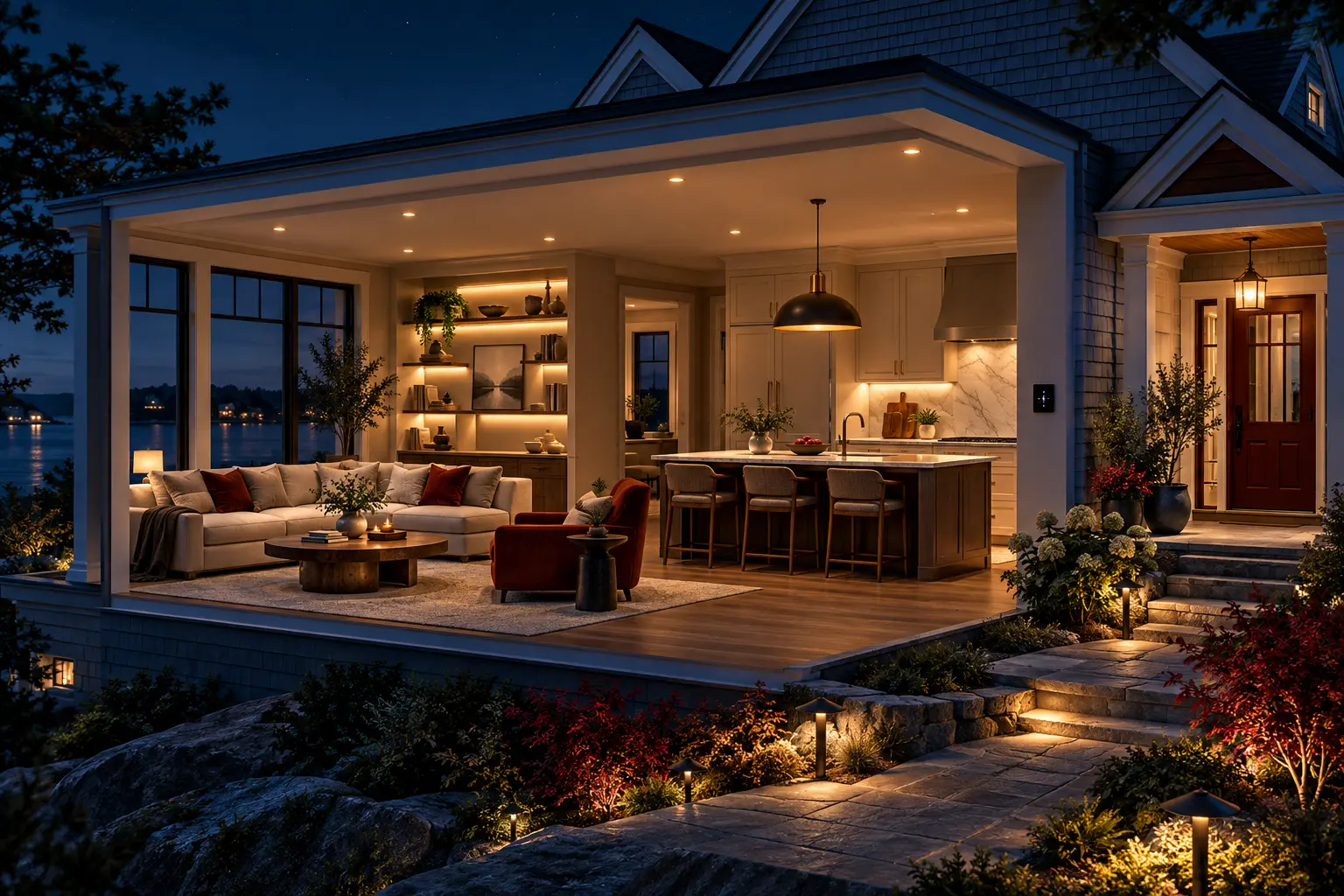
Concept illustration of layered indoor and outdoor lighting
Ambient · task · accent · landscape lighting concept
On this page

Light changes the room

Choose the feeling—not just the fixture.

A comfortable room usually needs more than one type of light. Combine overall light, useful light where you work, and a few details that give the space character.

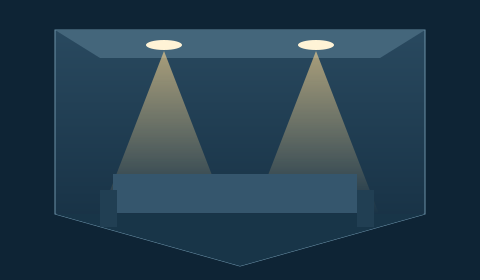
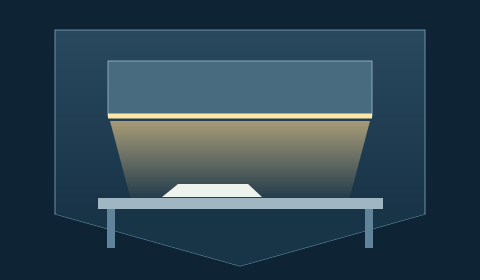
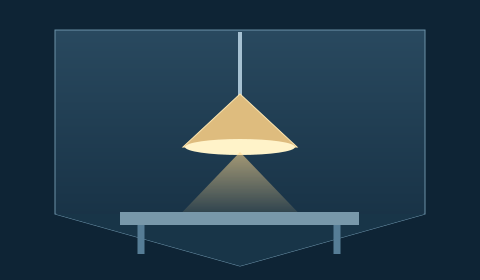
Interactive lighting preview — try itTap Relax, Everyday, Task light or Night path below the room illustration. The picture and explanation change with your selection; a check mark shows the active mood.

Relax: softer warm light, a little wall light and selected accents create a quieter evening look.

Illustrative mood preview—not measured light levels, a fixture layout or a wiring diagram. Screen colors differ from real lighting.

One space. Different uses.

For a living room, you might want brighter light for cleaning, focused light for reading, and softer light when guests are over. Separate controls let you choose the layers you need instead of turning everything on together.

For a business, think about the customer experience and the work being done: displays, checkout, staff tasks, entrances and after-hours operation can need different lighting.

Plan the lighting around your space

Recessed lights

Useful for general lighting and selected tasks without a hanging fixture. Placement, beam spread and glare matter more than simply filling a ceiling with a fixed grid. Plan around furniture, counters, ceiling height and the way you use the room.

Wall sconces

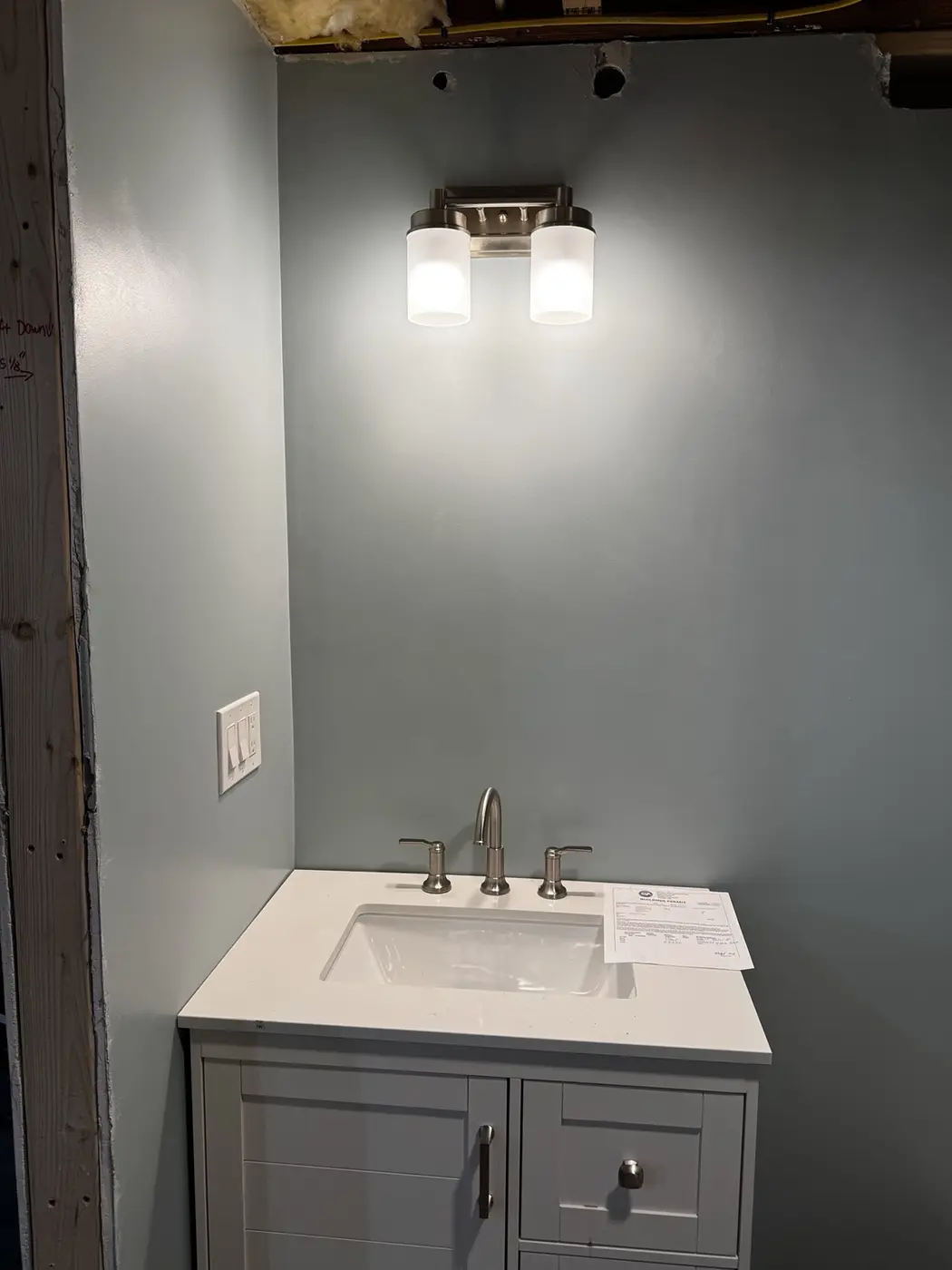
Add light at the wall and make a room or entrance feel more layered. Useful beside mirrors, along hallways or as a decorative feature. Choose the direction of the light and fixture position to avoid shining directly into people’s eyes.

Accent & niche lights

Draw attention to artwork, shelves, built-ins, textured walls and architectural details. The aim is a controlled highlight, not glare. Plan the fixture or LED tape, driver access and controls before finishes hide the wiring.

Night & step lights

Low-level light can help you see a hallway, stairs or a bathroom route without lighting the entire room. Discuss placement, motion sensors or schedules. Comfort lighting does not replace required emergency or egress lighting.

Task & under-cabinet lights

Put useful light on the counter, desk or work area. A ceiling light behind you can leave your work in shadow. Think about where your hands and eyes will be, visible reflections and an easy way to control the light.

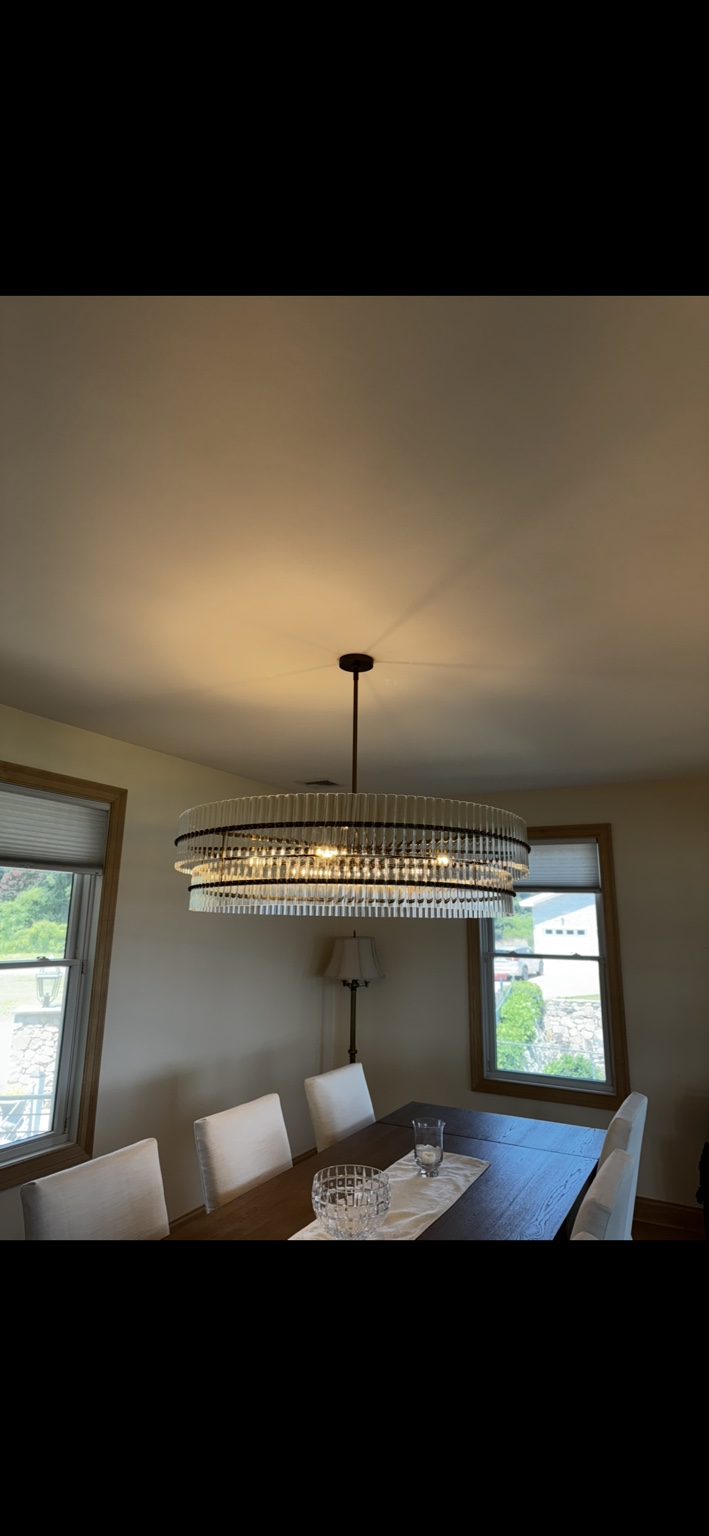
Pendants & chandeliers

Give a dining area, island or high-ceiling space a focal point. Fixture size, mounting support, location and maintenance access all matter. For high or hard-to-reach fixtures, ask about a compatible chandelier lift.

Understand the label

Warm, neutral or cool?

Kelvin (K) describes the appearance of white light, not how hot a lamp gets or how bright it is. Lower values look warmer; higher values look cooler.

2700K

Soft warm white

A warm starting point for bedrooms, living rooms and evening spaces.

3000K

Warm white

A warm look with a little less yellow—worth sampling in kitchens, entrances and living spaces.

3500–4000K

Neutral to cool white

A crisper appearance to consider for work areas and some commercial spaces.

5000K

Cool, daylight-like white

A distinctly cooler option. Preview it in the space before choosing it for an entire room.

These are starting points, not rules. Paint, finishes, daylight, fixture optics and personal preference change how a space looks. Match adjacent lights deliberately and compare samples where they will be used.

Kelvin = toneWarm or cool appearance
Lumens = outputHow much light the source emits
CRI = color fidelityOne measure of how faithfully colors appear
Beam & glareWhere the light goes and how comfortable it feels
Does dimming change the color?

Not always. A standard dimmable LED can reduce brightness while keeping roughly the same white tone. Dim-to-warm products shift warmer as they dim. Tunable-white products let supported controls change the white tone separately. The lamp, driver and dimmer must be compatible.

Learn more: DOE: color-tunable lighting · DOE: light quality and CRI · DOE: lumens and color appearance · DOE: outdoor glare · Lutron: LED and dimmer compatibility

Plan around everyday life

What do you want the light to do?

Choose a space for a starting point. We’ll refine fixture locations, controls and equipment after reviewing your property.

Interactive room selector — choose your spaceTap a room below to change the lighting suggestions and planning checklist. Try another room to compare; the checked button is your current selection.

Your starting point

Living room: layers you can control separately

  • General light for moving around and cleaning.
  • A reading light where you sit, with glare in mind.
  • Selected wall or accent lights for a softer evening scene.

Bring room photos, ceiling height, furniture locations and the look you prefer. Compare white-light samples with your finishes.

Request a lighting planPlanning guidance only. It does not calculate light levels, quote a price or confirm an appointment.

Outdoor spaces

A welcoming entrance. A usable yard.

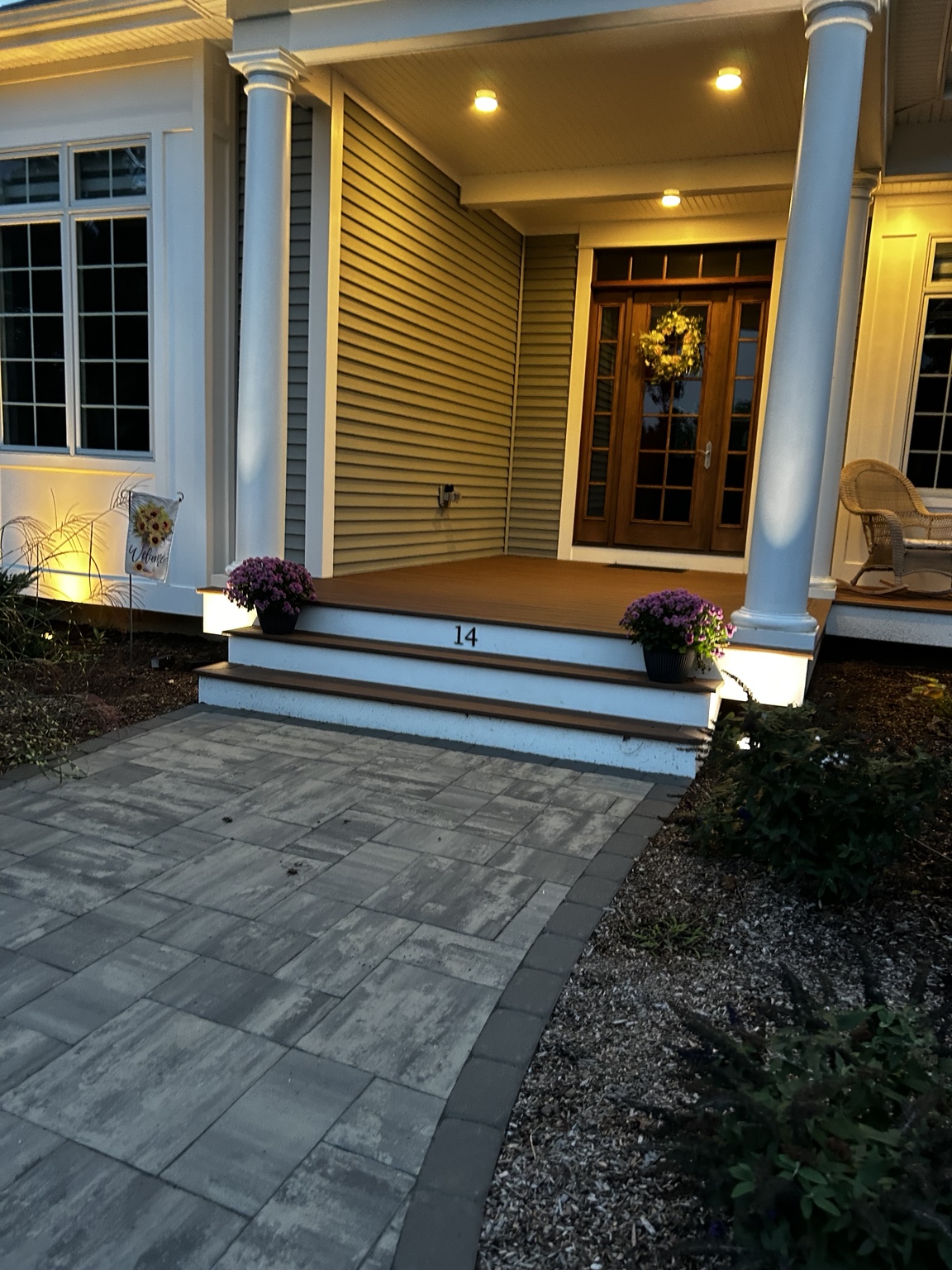
Light paths, steps, decks and patios, highlight trees and planting beds, or bring out architectural details with carefully placed light. We plan fixture locations, glare, wiring routes and controls around how people use the property.

For businesses and rentals, consider entrances, common walkways, signs and outdoor gathering spaces. Aim light where it helps, while respecting neighbors and avoiding unnecessary spill.

Outdoor lighting worth planning together

  • Paths, steps and entrances
  • Decks, patios and seating areas
  • Trees, planting beds and architectural features
  • Schedules, sensors and everyday switches

Start with what you want to see after dark, then choose the fixtures and electrical system.

Choose the right system

Low voltage or line voltage?

Low-voltage landscape lighting

Often a 12-volt system supplied through a transformer, suited to path, garden, deck and accent fixtures. We review transformer capacity, cable length, voltage drop, outdoor connections and room for future additions.

Line-voltage exterior lighting

Commonly 120 volts for residential exterior fixtures, including entry lights, sconces and larger area lighting. Sometimes called “high-voltage landscape lighting,” it needs fixtures, wiring and protection appropriate to the location.

A plan that fits the property

One project may use both systems. Existing power, fixture requirements, brightness, access and control goals guide the choice. Equipment must be rated for its environment and installed to applicable requirements.

Layer the light

Comfort, character and useful detail.

A room or outdoor space works better when general light and focused details complement each other.

Ambient lighting

Comfortable overall light for living rooms, kitchens, offices and gathering spaces. Explore recessed lighting, indirect cove lighting, ceiling features and covered-patio lighting.

Niche & display lighting

Highlight shelves, built-ins, alcoves and display areas with compact fixtures or LED tape. Plan hidden wiring, accessible drivers and any damp- or wet-location requirements before finishes close.

Accent & task lighting

Bring attention to artwork, textured walls and architectural features, or add useful light under cabinets, at work surfaces and along stairs. Choose the color, beam direction and brightness to suit the space.

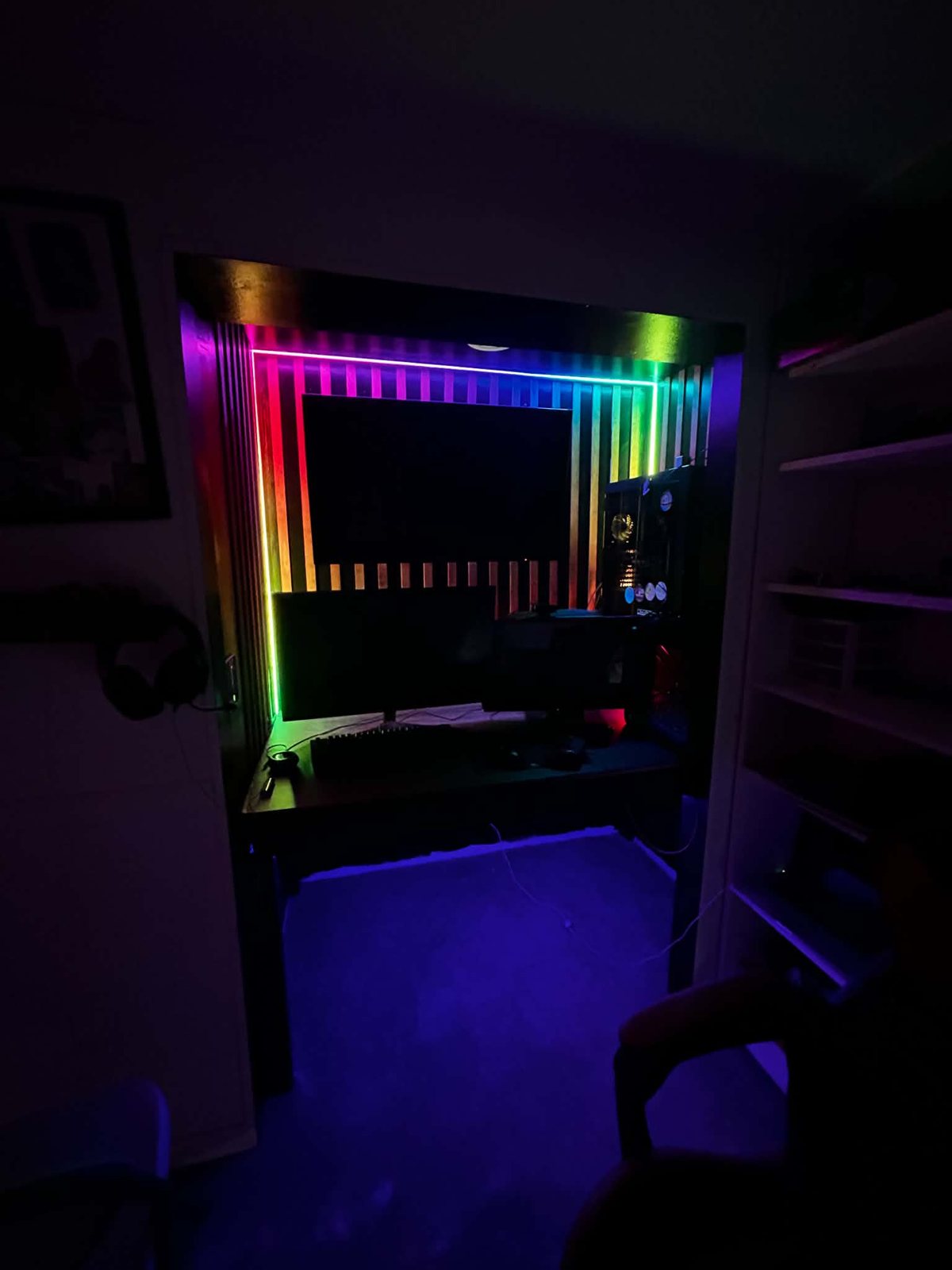
Color accent lighting in a residential room
Accent light can give a room a different mood.
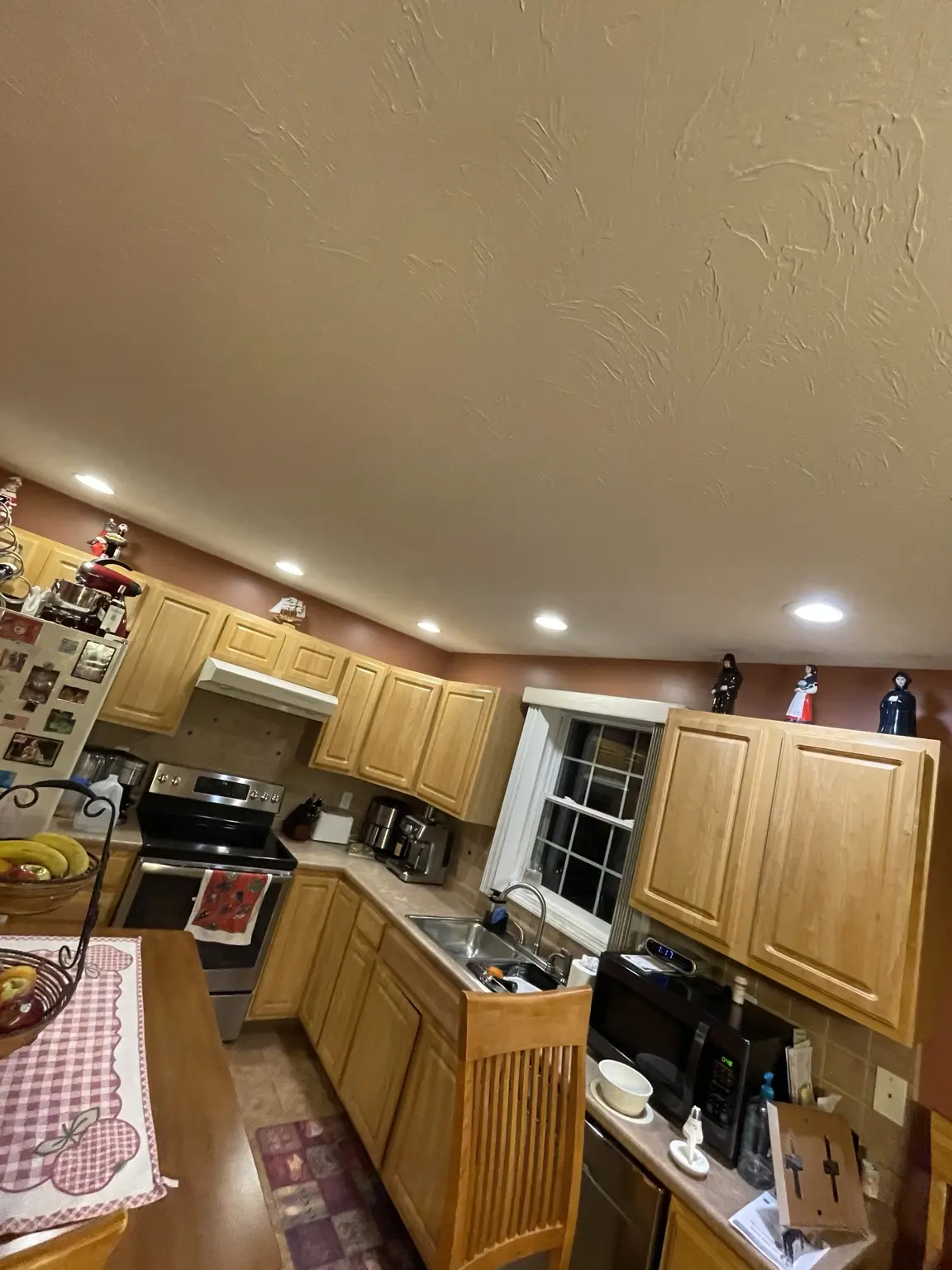
Kitchen illuminated by recessed ceiling lighting
General lighting provides the foundation for a layered room.
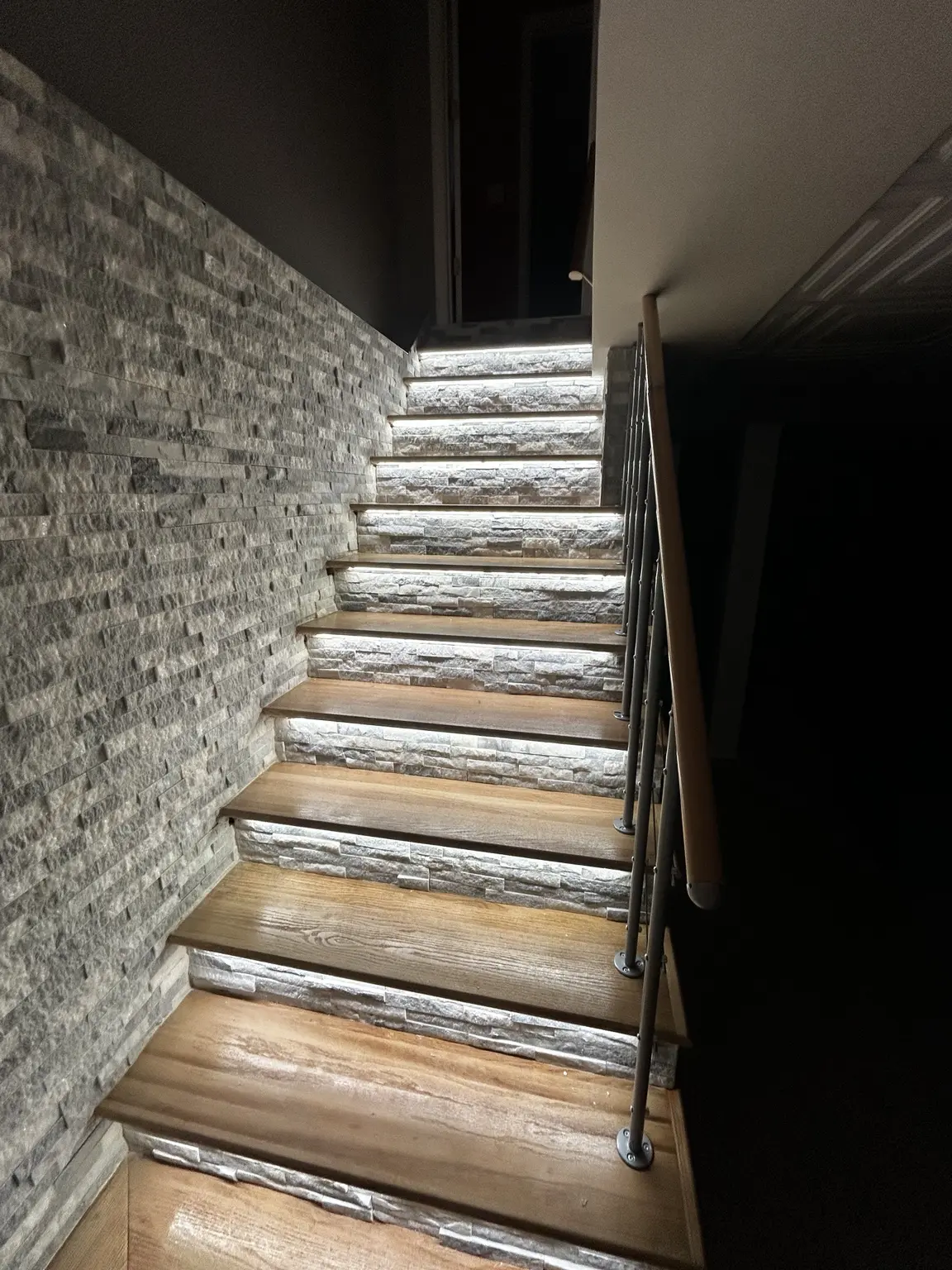
Interior staircase with stone-faced risers illuminated by step lighting
Integrated step lighting highlights the stair detail after dark.

Everyday operation

Make the lighting easy to use.

Discuss dimmers, scenes, timers, dusk-to-dawn controls and motion sensors. Fixture, LED driver, transformer and dimmer compatibility must be checked together; not every light can be dimmed or connected to the same smart system.

Already have a system? FPE can troubleshoot dark sections, failed fixtures, flickering, transformer issues and controls that no longer behave as expected.

Explore smart controls

Homes, rentals & commercial spaces

For a new build, coordinate lighting and control locations before walls, landscaping or hardscape are finished. For existing properties, we review access and explain any trenching, patching or trade coordination needed to complete the scope.

Property-manager service · Commercial & retail service

From the FPE project gallery

See the difference in real spaces.

Existing-space and renovation examples from the FPE project gallery. Tap a photo to see it larger.

Start with the result you want

What helps us plan your lighting?

The space

Send the address, room or outdoor-area dimensions, and safely taken photos of the area and available power.

The look

Share inspiration, what you want illuminated, preferred warm or cool light, and any fixtures or products already selected.

The controls

Tell us about dimming, schedules, motion sensing or smart-home goals. For an existing system, include fixture and transformer models and what is not working.

Common lighting questions

Each question has an answer. Tap or click a question to open it; select it again to close.

Can dimmable LED lights work with any dimmer?

No. Compatibility depends on the lamp or fixture, LED driver and dimmer together. Use the manufacturer’s compatibility information and send the exact model numbers to FPE before choosing equipment.

Is a brighter light always the better choice?

No. Useful placement, fixture optics and control matter as well as output. Too much light directed toward eyes or neighboring properties can create glare. Plan the task and location first, then choose the output and controls.

How many recessed lights does my room need?

The number depends on room size, ceiling height, fixture output and beam angle, existing light, furniture and the tasks you want to light. A fixed spacing rule does not replace a layout review.

What color temperature should I choose?

Start with the look you prefer and how you use the space. Warm 2700K or 3000K is often a useful starting point for living areas; cooler white can suit some work areas. Compare samples alongside paint, finishes and daylight before choosing.

Can I have brighter task lighting and a softer evening scene?

Yes, with appropriately planned lighting groups, compatible dimmers and selected controls. Separating general, task and accent lighting lets you change the room without turning every light on together.

Do night lights replace emergency lighting?

No. Low-level night or step lighting is a convenience layer. Required emergency and egress lighting must be designed and maintained for the applicable building and code requirements.

Can you add lighting to an existing yard or finished room?

Yes. We review available power, cable routes and access before agreeing on the installation. A finished ceiling, patio or planted area may need more coordination than a project with open walls and landscaping still underway.

Can you light a shower niche or damp outdoor area?

We can review the idea, but the specific fixture and installation must suit the location. A generic LED strip is not automatically appropriate for a shower niche, exposed patio or wet area.

Can existing lights become smart or dimmable?

Sometimes. We check the fixture or lamp, driver or transformer, wiring and chosen control together. We’ll explain whether a control change is enough or whether some equipment needs replacing.

Do you install and repair landscape lighting?

FPE offers new installations, additions and troubleshooting for low-voltage and line-voltage lighting. Tell us whether you are planning a new system, extending one or fixing an issue.

New Bedford · Fall River · Dartmouth

Tell us what you want to light.

Call FranciscoRequest service