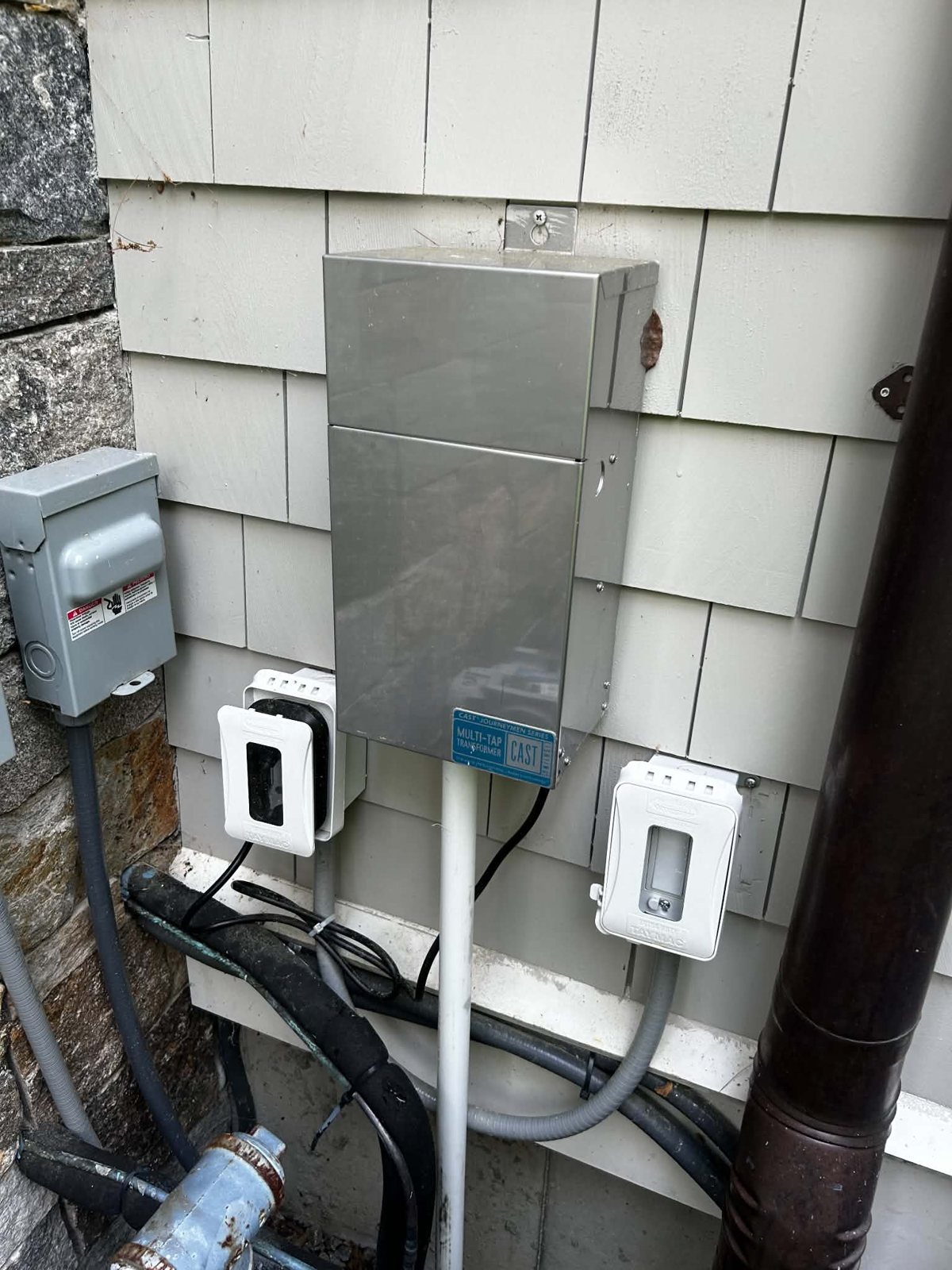
EV CHARGING
Charge where you park.
We look at the charger, panel capacity, circuit path and location before scoping the installation.
 FRANCISCO PAULINO
EV charging · Backup power
Plan an EV charger, generator connection or battery-backup system for your New Bedford, Fall River, Dartmouth or nearby South Coast property around your existing panel, the equipment you need to protect and the way you use the property.
We look at the charger, panel capacity, circuit path and location before scoping the installation.
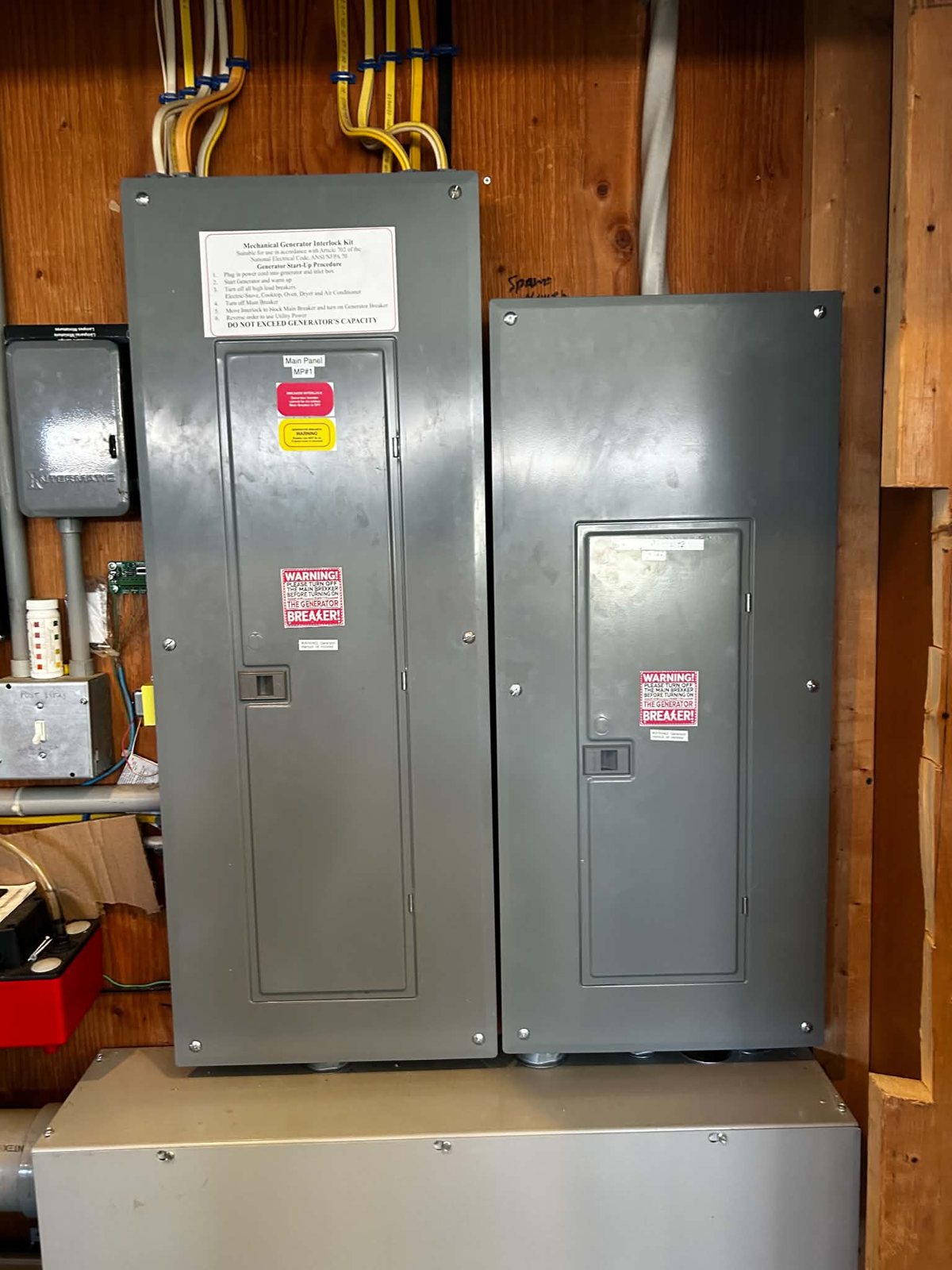
Tell us what must keep running. We can compare generator connections, UPS systems, portable power stations and targeted battery backup.
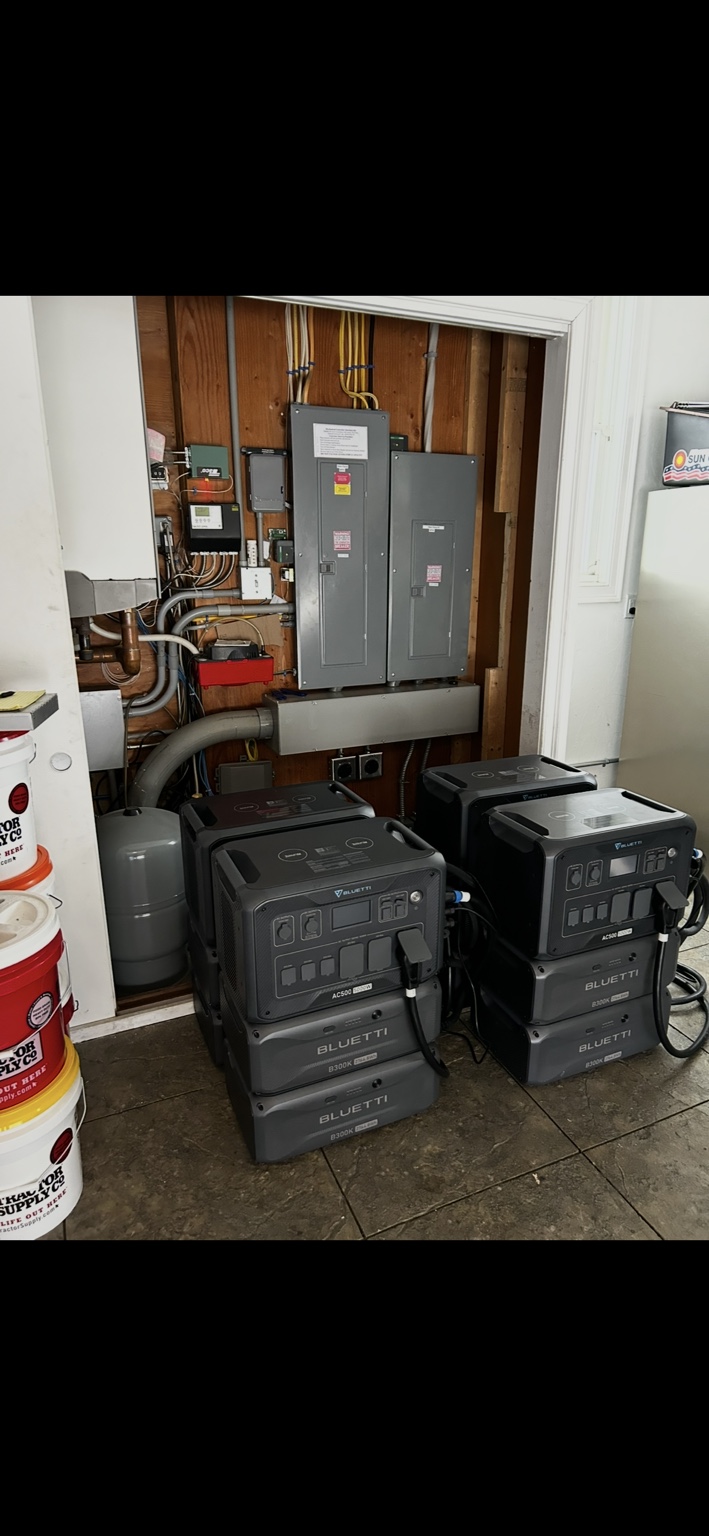
Alternative energy · practical backup
Explore battery storage, portable power stations and compatible solar charging with FPE. Start with the equipment you want to keep running, then build a plan around your property.
Considering BLUETTI, EcoFlow or Anker SOLIX? Send the exact model or product link before buying. We can review the electrical scope, charging plan and integration options. Equipment across brands is not automatically interchangeable.
Include the town, equipment models, what must keep running, desired backup duration, and whether you already have solar or a battery. Add safely taken photos of the installation area and panel. For a trailer or mobile business, include the appliance list and existing power arrangement. Roof-mounted solar, utility interconnection and any specialist work are confirmed separately in the agreed scope.
Explore manufacturer options: BLUETTI · EcoFlow · Anker SOLIX. Brand references are for planning and do not imply an authorized-dealer relationship.
RV · Marine · Food trucks · Mobile businesses
FPE helps plan and install electrical hookups, troubleshoot power problems and review alternative-energy options for vehicles, waterfront properties and mobile businesses across the South Coast.
Shore power means an external electrical supply used while parked or docked. The supply, connection and equipment must be matched to the actual RV, boat or truck.
Dedicated hookups, outdoor receptacles, pedestal planning and repairs for an RV parking location. Tell us the RV inlet rating, parking position, distance from the existing panel and whether the hookup is for storage or regular use. A plug that fits does not by itself establish electrical compatibility.
Request an RV hookup ↗Dockside supply, pedestal and shore-power connection review, repairs and upgrades. Share the boat’s inlet rating, dock type, existing equipment and signs of corrosion or tripping. We confirm the shore-side scope; onboard vessel wiring and specialist marine work are reviewed separately.
Waterfront electrical work needs equipment suited to its environment and appropriate fault protection. Do not bypass a device that trips. Read ESFI’s marina safety guide.
Discuss dockside power ↗New equipment circuits, lighting, receptacles, panel and inlet review, troubleshooting and renovation planning for food trucks and concession trailers. Include refrigeration, freezers, cooking equipment, ventilation, pumps and anything that runs at the same time.
Plan truck or trailer work ↗Plan a compatible hookup at a commissary, regular parking space, venue or event location. We review the available supply, inlet and cord ratings, distance, outdoor exposure and required operating load. Venue permission and site access are part of planning.
Request a truck hookup ↗Discuss a dedicated metered supply or usage monitoring for a truck location. Tell us whether you want a separate utility account or simply to measure energy used from an existing supply. Those are different arrangements; equipment, utility coordination and applicable billing requirements must be confirmed before work is agreed.
Discuss metered power ↗Explore batteries, compatible solar charging, inverter systems and generator-assisted backup for RVs, mobile businesses and remote-use goals. We review daily energy needs, starting loads, charging opportunities and equipment compatibility before proposing a system.
BLUETTI, EcoFlow, Anker SOLIX and other systems may suit different scopes. Two solar panels alone are not a guarantee that a fridge and freezer will run through an entire workday or overnight.
Build an off-grid plan ↗The proposal identifies the electrical work, equipment, access, permits and coordination included. Food-service, vehicle, marine, structural and other approvals are separate where applicable.
Potentially, with a compatible system and a planned switching arrangement. We review the actual equipment and how sources are isolated. Do not connect sources together with improvised adapters or feed a building through an ordinary receptacle.
Sometimes, depending on your loads and charging opportunities. Start with daily energy use and the highest simultaneous demand, then review usable battery capacity, starting loads, sunlight and a reserve for poor weather. Heavy cooking or heating equipment can change the scope substantially; a hybrid plan may be more practical.
Explore battery and solar options ↗ · See examples of RV, marine and event power equipment
The first conversation
Send the charger, generator, UPS or portable power-station model—or tell us if you are still choosing one.
Share clear photos of the panel, proposed equipment location and the devices you want to protect, if safe to take.
Tell us about future loads, parking distance, and which appliances matter during an outage.
Plan the essentials
Generators, batteries and EV charging each bring different equipment and capacity questions. Tell us your priorities so the installation can be scoped around the property.
Build your Power-Ready roadmap ↗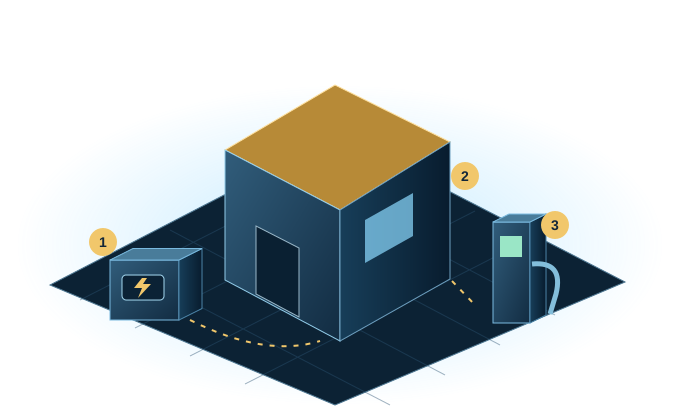
Battery backup options
Battery backup can bridge short outages, protect electronics from interruption or support one critical load. Runtime and suitability depend on the actual equipment and starting load.
UPS planning for computers, network racks, controls, point-of-sale equipment and other electronics that need clean, uninterrupted power.
Portable power-station planning for selected plug-in devices, charging and short outages. Capacity and runtime depend on the equipment you need to power.
Review pump voltage, running and starting demand, expected runtime and charging arrangements before selecting a backup solution.
Identify refrigeration, heat controls, communications, medical or business equipment and decide which loads need battery, generator or layered backup.
A watt-hour label alone does not prove a battery can start or safely run a sump pump, refrigerator, boiler control or other motor load. We review voltage, continuous output, surge output, transfer behavior and expected runtime against the specific equipment.
Check capacity first
Some projects are straightforward; others may call for a closer look at service capacity or a different installation approach. Our South Coast Power-Ready Assessment can help organize those decisions before work is scoped.
Explore the Power-Ready Assessment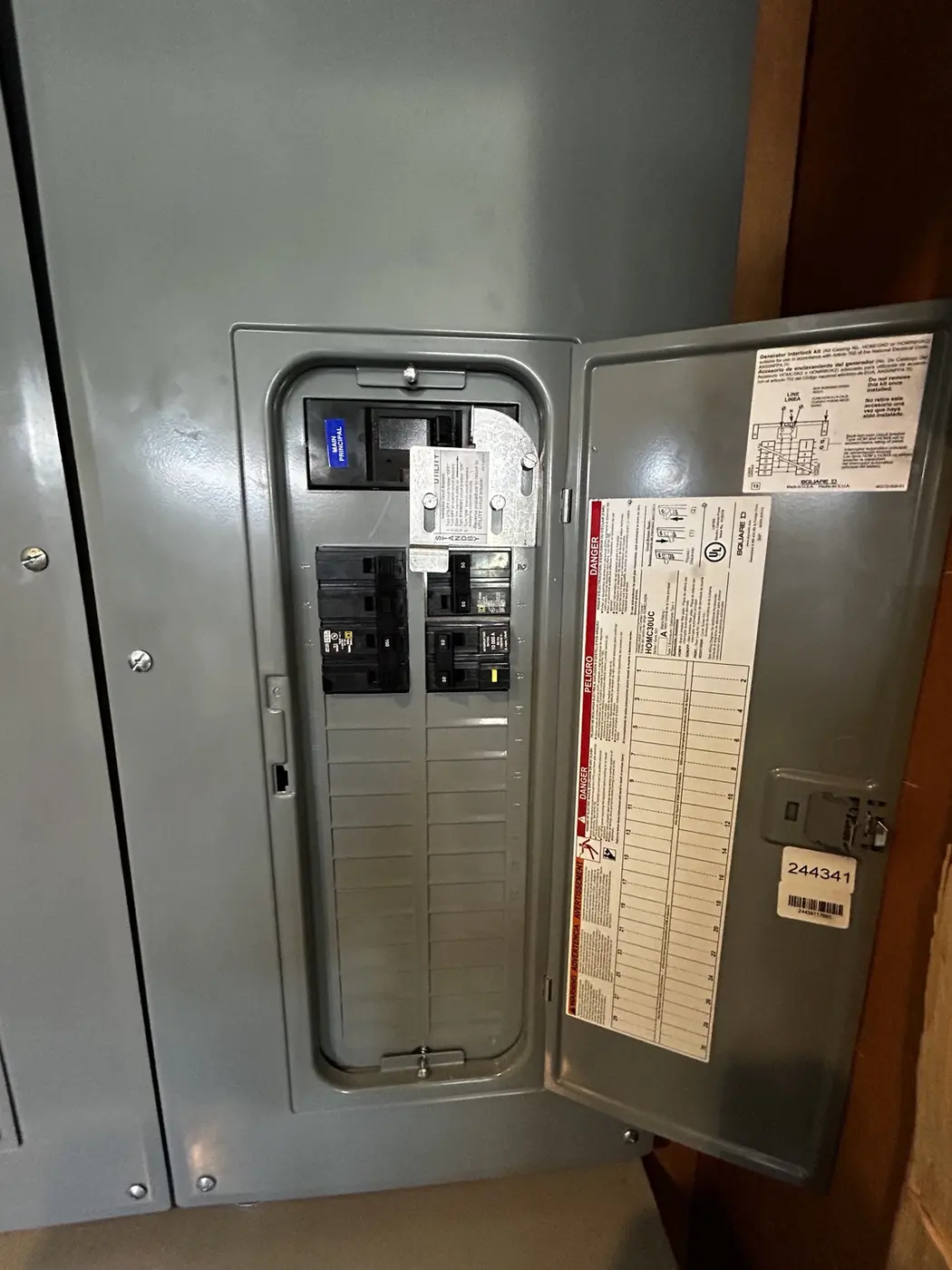
See how it fits together
A simplified concept for a generator serving selected building loads.
 Utility supplyNormal power source
 GeneratorAlternative power source
 Transfer equipmentApproved equipment isolates the sources
 Selected loadsEquipment agreed in the backup plan
Concept only. Transfer equipment, grounding, ratings and load selection require professional design for the actual system. Generac transfer-switch explanation ↗
Questions we hear
Each question has an answer. Tap or click a question to open it; select it again to close.
That depends on your existing service, loads, charger setting and installation plan. We review the property before recommending a path.
It depends on the equipment and the loads you want to run. We can discuss essential circuits, connection methods and suitable transfer equipment for your setup.
Tell us the model and share its installation instructions. We can review whether it suits the proposed electrical setup before work is scheduled.
Possibly, but it must match the pump voltage, running demand and startup surge, and it needs enough usable capacity for the runtime you expect. Send the pump nameplate and power-station specifications so the combination can be reviewed.
A UPS is useful when equipment cannot tolerate even a short interruption, such as network, computer or control equipment. A generator is often better for longer outages and larger loads. Some properties benefit from both.
Need help choosing the path?
Before an EV charger or backup system is scoped, we can look at the existing electrical picture and discuss capacity, priority loads and practical options.
Ready to plan?
Storm and temporary power
Explore damaged meter and service equipment, safe portable or standby generator connections, and electrical hookup planning for a rental generator.
Storm & generator helpFirst step
For downed lines or a torn-away meter, keep clear and call 911 and the utility. Once safe, tell us what happened.